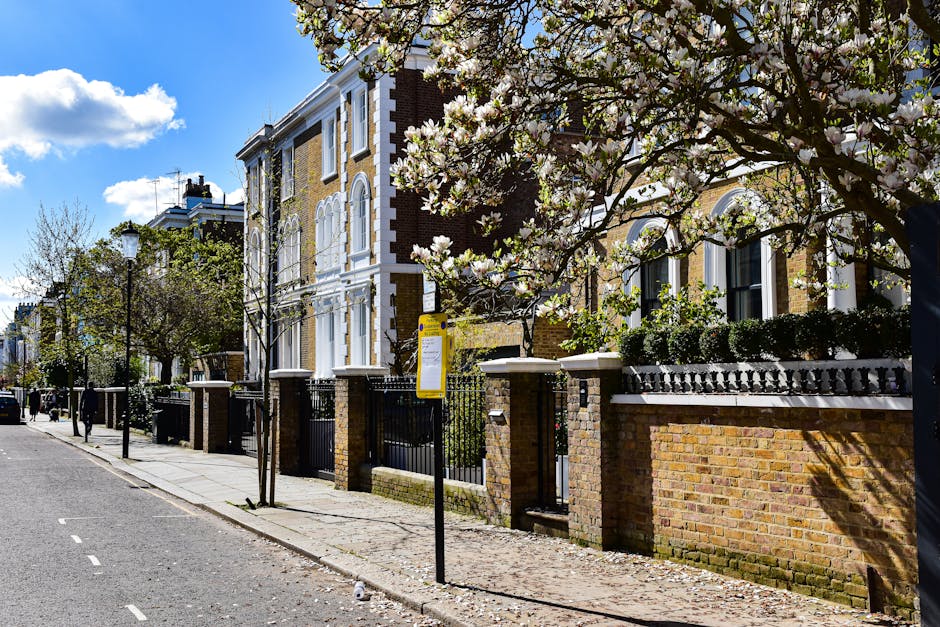
Primrose Hill house removals near Regent Park: a practical, local guide for a smoother move
If you are planning Primrose Hill house removals near Regent Park, you are probably juggling a few things at once: access, timing, packing, parking, and the general headache of trying to move a life's worth of belongings without knocking the week off balance. To be fair, that is exactly where a well-planned move makes all the difference. This guide breaks down how a local house move in this part of North London typically works, what can go wrong, and how to make the whole thing feel far more manageable.
Primrose Hill and the streets edging Regent Park can be lovely to live in, but they are not always straightforward for removals. Narrow roads, shared entrances, controlled parking, residents' bays, and busy weekend traffic can all shape the move. The good news? With the right planning and a removal team that understands local conditions, it becomes a very normal job rather than a logistical puzzle.
In the sections below, you will find a clear explanation of the process, practical tips, a comparison of moving options, a real-world example, and a checklist you can actually use. If you are still researching providers, it can also help to look at a wider set of services such as home moves, house removals, and house movers so you know what level of support fits your move best.
Table of Contents
- Why Primrose Hill house removals near Regent Park Matters
- How Primrose Hill house removals near Regent Park Works
- Key Benefits and Practical Advantages
- Who This Is For and When It Makes Sense
- Step-by-Step Guidance
- Expert Tips for Better Results
- Common Mistakes to Avoid
- Tools, Resources and Recommendations
- Law, Compliance, Standards, or Best Practice
- Options, Methods, or Comparison Table
- Case Study or Real-World Example
- Practical Checklist
- Conclusion
- Frequently Asked Questions
Why Primrose Hill house removals near Regent Park Matters
Local removals are rarely just about lifting boxes into a van. In an area like Primrose Hill, close to Regent Park, the surrounding environment has a direct effect on the moving day itself. A move that would be simple on a quiet suburban road can become slower and more fragile here because of parking restrictions, building access, and traffic that seems to appear out of nowhere at the exact wrong minute.
That is why the local context matters so much. The more your removal plan reflects the actual street conditions, the better the day will run. One missed detail can lead to extra waiting time, rushed loading, or awkward carrying distances from the vehicle to the property. And once the rain starts? Well, London likes to remind everyone who is boss.
Primrose Hill also tends to attract a mix of property types: period terraces, converted flats, maisonettes, and apartments with stair access or lift constraints. Regent Park nearby brings its own set of access considerations. For residents, that means the quality of the removal service is not only about muscle. It is about judgement, timing, route planning, and communication.
Expert summary: In this part of London, the best removals are rarely the ones with the biggest van. They are the ones that plan around access, parking, and property layout before the first box is moved.
If you are comparing different types of help, it is worth understanding whether you need full-service removal services, a more flexible man and van option, or a broader team from a removal company that can cover packing, loading, transport, and unloading in one go.
How Primrose Hill house removals near Regent Park Works
Most house moves in this area follow a straightforward sequence, but the details matter. The process usually starts with an enquiry, then a quote or estimate, followed by a quick discussion of access and inventory. After that comes booking, packing, moving day, and final placement in the new property.
In practice, a good move begins long before moving day. The removal team should understand how many rooms are involved, whether there are fragile items, whether any furniture needs dismantling, and whether there are awkward pieces like pianos, large wardrobes, or deep-sofa sections that never seem to fit through a doorway on the first try. That bit is almost a tradition.
For local jobs near Regent Park, the team should also ask about:
- building entry points and stairwells
- lift availability and lift dimensions
- parking access, loading bays, or permit needs
- distance from vehicle to front door
- any timing restrictions from the building or estate
- items needing special handling or packing
Depending on the size of your move, you may want a smaller vehicle such as a removal van, a more flexible moving van, or even a larger vehicle and crew if the property is fully furnished. For especially tight streets, the question is often not "what is the biggest van available?" but "what will actually fit and load efficiently?"
Key Benefits and Practical Advantages
There are real advantages to choosing a removals service that understands this specific part of London. The biggest benefit is simple: less friction on the day. When access is planned properly, the move feels calmer, quicker, and far less chaotic.
Here are the benefits people usually notice most:
- Better time control - less waiting for parking, fewer delays at loading time.
- Reduced handling risk - fewer unnecessary lifts and fewer chances for damage.
- More accurate pricing - when the quote reflects the actual access conditions, surprises are less likely.
- Less personal stress - you do not have to coordinate every tiny moving part yourself.
- Smarter packing choices - items can be packed in a way that reflects the route out of the property, not just the box count.
Another practical advantage is flexibility. Some people just need heavy lifting and transport. Others need the whole thing wrapped up, including packing and unpacking. If that sounds like you, take a look at packing and unpacking services. It can save a surprising amount of time, especially if you are working, moving with kids, or trying to land in a new place by the end of the day.
And let's not forget the emotional side. Moving is one of those tasks that looks smaller on paper than it feels in real life. Having people around who know what they are doing does make a difference. More than people admit, actually.
Who This Is For and When It Makes Sense
This kind of move is a good fit for a wide range of households. It is not just for large family homes with boxes stacked in every room. In fact, Primrose Hill house removals near Regent Park often suit:
- first-time buyers moving into a flat or maisonette
- families relocating within North London
- renters moving between apartments with a fixed handover date
- downsizers who need careful handling of furniture and sentimental items
- busy professionals who want a fast, organised move
- households with access issues, narrow staircases, or limited parking
It also makes sense when the move is time-sensitive. If you only have a short window between leaving one property and entering another, a well-organised team can keep the day moving. That matters even more if you have a chain, or if the new property has a tight entry slot. Truth be told, a two-hour delay early in the day can ripple into everything else.
If you are moving a smaller load, a man with van style service may be enough. For larger household moves, a more structured approach from movers or a full house removalists team may be more appropriate.
Step-by-Step Guidance
Here is a practical way to think about the move from start to finish. You do not need to do everything at once. In fact, trying to do everything at once is how people end up hunting for bin bags at 10 p.m. while the kettle is already boxed up.
- List the contents of the move. Walk room by room and note large furniture, fragile pieces, and anything that needs dismantling.
- Check the access. Measure stairs, lifts, hallways, and door widths if anything looks tight.
- Think about parking early. Identify where the vehicle can stop, and whether the property or street has any restrictions.
- Choose the right service level. Decide whether you need transport only, loading help, packing support, or the full move.
- Book with enough lead time. Good local teams can get busy, especially at weekends and month-end.
- Pack by priority. Keep essential items separate, clearly labelled, and easy to reach on arrival.
- Prepare for moving day. Keep keys, documents, chargers, and valuables with you rather than in the van.
- Walk the property before departure. Check cupboards, loft spaces, balcony areas, and behind doors. People always forget one shelf. Always.
When the van arrives, it helps to have one person available to answer quick questions. Even a simple "that chair is staying in the hall" or "the wardrobe comes apart in two sections" can save time and avoid confusion.
Before booking, many people like to compare service options and pricing. That is sensible. You can review pricing and quotes if you want to understand how estimates are usually put together and what influences the final figure.
Expert Tips for Better Results
After enough moves, a few patterns become obvious. The best results usually come from small decisions made early, not dramatic heroics on the day. Here are the bits that tend to help most:
- Label boxes by room and priority. A simple "kitchen - first night" label beats clever shorthand every time.
- Keep screws and fittings together. Use a small bag taped to the furniture, not a random drawer.
- Photograph cable setups. Especially for TVs, desktops, and complex charging points.
- Empty heavy furniture where possible. A wardrobe full of books is nobody's friend.
- Protect corners and edges. Older properties and narrow stairwells can be unforgiving.
- Plan for arrival, not just departure. Where will the bed go first? Which box do you need tonight?
A useful habit is to build a "first 24 hours" box with bedding, toiletries, tea bags, cups, snacks, charging leads, scissors, and a clean towel. It sounds obvious until you are in the new place at 9 p.m. and can't find a mug. Very British problem, that.
Another tip: if you suspect access may be awkward, say so early. That one conversation can change the vehicle size, crew size, timing, and how the load is planned. A good crew will want that information. They are not being nosy; they are trying to avoid complications later.
Common Mistakes to Avoid
Most moving problems are preventable. They tend to come from rushed decisions, vague communication, or assuming the local area will be easier than it is. Here are the common traps:
- Underestimating access problems. A short walk from the van to the door can be a big deal with heavy furniture.
- Leaving packing too late. Last-minute packing usually means poor labelling and more breakage risk.
- Not checking vehicle access. Some streets are fine in theory and awkward in reality.
- Forgetting building rules. Lift bookings, time windows, and noise expectations can matter a lot in shared properties.
- Choosing the cheapest option blindly. Low price can be fine, but only if the service actually matches the job.
- Mixing valuables with general boxes. Keep passports, jewellery, keys, and important documents separate.
One of the most overlooked mistakes is not asking about insurance. You do not need to become an expert in policy wording, but you should know what is covered and under what conditions. If you want to understand the basics more clearly, the information on insurance and safety is a sensible place to start.
Also, do not assume every move needs the same level of service. A quick studio flat move and a full family house move are different jobs entirely. Treating them as the same is how people end up overpaying or underplanning. Neither is ideal.
Tools, Resources and Recommendations
You do not need a huge toolkit to make a move run better, but a few practical items go a long way. The aim is to reduce friction, not to turn yourself into a professional mover overnight.
Useful items include:
- strong boxes in mixed sizes
- packing tape and a dispenser
- marker pens for room labels
- zip bags for screws and fittings
- blankets or covers for delicate furniture
- basic cleaning supplies for the final sweep
- bin bags for last-minute waste and soft items
If you are clearing out unwanted items before the move, a service such as furniture pick up can be useful, especially if you are replacing bulky pieces rather than taking everything with you. That keeps the new property cleaner and reduces load volume.
For people who want a lighter, simpler service, the choice may come down to man with a van, man with van removal, or a more rounded removals package. The right answer depends on volume, access, and how much help you want with loading.
Law, Compliance, Standards, or Best Practice
For a home move in London, the most important compliance issues are usually practical rather than dramatic. Think safe lifting, suitable vehicles, parking rules, building access, and handling belongings carefully. It is also wise to work with a company that follows sensible business practices around safety, payment, and data handling.
Good practice usually includes:
- clear booking terms and transparent pricing
- appropriate insurance arrangements
- safe manual handling and load securing
- respect for property access rules and neighbours
- careful handling of personal information and customer details
- responsible waste handling and recycling where possible
It is also fair to look at whether the provider takes sustainability seriously. Removal jobs generate waste, packaging material, and disposal decisions. A responsible approach to this side of the work matters more than people sometimes realise. If that is important to you, read the company's approach to recycling and sustainability.
For trust and accountability, it helps when the business makes its policies easy to find and easy to understand. That includes things like about us, terms and conditions, and payment and security. None of that is glamorous, granted, but it does matter when you are handing over the keys to your move.
Options, Methods, or Comparison Table
Choosing the right moving method is often the difference between a smooth day and a stressful one. Here is a simple comparison to help you think it through.
| Option | Best for | Strengths | Things to watch |
|---|---|---|---|
| Man and van | Small flats, lighter loads, quick local moves | Flexible, efficient, usually good for short-notice jobs | May not suit larger household contents or complex access |
| Full house removals | Family homes, multiple rooms, larger inventories | More support, better for heavy or awkward items | Needs stronger planning and usually more lead time |
| Packing and moving service | Busy households, fragile belongings, time-pressured moves | Reduces workload and often improves packing consistency | Costs more, but can save serious stress |
| Van-only transport | People who have packed and loaded everything already | Simple, sometimes cost-effective | You carry the burden of preparation and loading |
There is no single "best" option. There is only the best fit for your actual move. And honestly, that is a relief. Once you stop looking for a universal answer, the decision gets much easier.
Case Study or Real-World Example
Here is a realistic example. Imagine a couple moving from a third-floor flat near Primrose Hill into a two-bedroom property closer to Regent Park. The old flat has a narrow stairwell, no lift, and limited stop time outside. The new place has a tighter entrance than expected and a shared hallway. Nothing extreme. Just a bit fiddly.
In that situation, the move goes best when the team knows about the stairs, the timing, and the furniture list in advance. A sofa that needs turning halfway down the stairwell should not be discovered on moving morning. It should be flagged early, with a plan for how it will be carried and where it will be parked while the route is cleared.
The most helpful actions in this example were simple:
- the customer sent photos of the stairwell and large furniture
- the mover advised a suitable vehicle size before the booking
- fragile items were packed separately and marked clearly
- the first-night essentials were loaded last for easy access
- the unloading order at the new property was agreed in advance
The result? Less back-and-forth, fewer surprises, and a move that felt organised instead of frantic. Not perfect, because moving day never is, but calm enough to breathe through. That counts for a lot.
Practical Checklist
Use this checklist in the final days before your move. It is simple on purpose.
- Confirm the moving date and arrival window.
- Check access at both properties.
- Ask about parking or loading restrictions.
- Separate valuables, documents, and keys.
- Label boxes clearly by room and priority.
- Pack an essentials box for the first night.
- Disassemble furniture that needs it.
- Photograph cable setups before unplugging.
- Protect fragile items with proper padding.
- Clear hallways and walkways before the crew arrives.
- Do a final sweep of cupboards, loft spaces, and outdoor storage.
- Keep your phone charged and close by.
If you want a fuller household move handled in one coordinated booking, it may be worth reviewing house removals alongside home moves so you can match the service to the size of the job rather than guessing.
Get a free quote today and see how much you can save.
Conclusion
Primrose Hill house removals near Regent Park are easiest when you treat them as a local planning exercise, not just a transport job. Access, timing, parking, packing, and property layout all matter. Once those pieces are handled properly, the move becomes far less stressful and much more predictable.
Whether you need a simple van move or a fuller house-moving service, the smartest step is to book with enough information in hand. Measure where you can, photograph anything awkward, and be honest about the access. That one habit saves a lot of grief.
Moving home is rarely anyone's favourite day, but it can still be a decent one. A good cup of tea at the other end helps, naturally. So does a move that runs to plan.
Frequently Asked Questions
What makes Primrose Hill house removals near Regent Park different from other London moves?
The main difference is the local access environment. Parking, narrow roads, building entry points, and shared spaces can all affect how quickly and safely a move can be completed. Planning around those details is usually the key.
Do I need a full removals team or just a man and van?
It depends on the volume of belongings, the number of rooms, and the access at both properties. A small flat move may suit man and van or man with a van, while larger household moves often need a fuller team.
How far in advance should I book a house removal?
The earlier, the better, especially for weekend moves or month-end dates. If your move is in a busy period, giving notice early helps secure the time slot and gives everyone more time to plan properly.
Can removals be done in properties with stairs and no lift?
Yes, but the access details should be shared before the booking. Stairs affect crew planning, vehicle choice, loading time, and the handling of heavier furniture, so it is best not to leave this out.
What should I pack separately on moving day?
Keep keys, documents, medicines, chargers, snacks, and a first-night essentials box separate from the main load. Anything valuable or urgently needed should stay with you, not in the van.
How are removal quotes usually worked out?
Quotes are normally based on the size of the move, access conditions, distance, number of items, and any extra services such as packing or dismantling. For more detail, review pricing and quotes.
What if I have large or fragile furniture?
Tell the removal team in advance. Large mirrors, glass tables, antiques, and bulky wardrobes need different handling, and some may need extra wrapping or dismantling before they are moved.
Is packing service worth it?
For many people, yes. If you are short on time, moving with a family, or dealing with fragile items, packing and unpacking services can reduce stress and save a lot of hours.
What happens if parking is difficult on my street?
That should be discussed before moving day. A local mover may adjust the vehicle choice, loading plan, or timing to reduce delays. In some cases, a smaller vehicle is simply more practical.
Are my belongings insured during the move?
It depends on the provider and the circumstances, so this should always be checked before booking. If you want a clearer overview, look at the company's insurance and safety information and ask questions if anything is unclear.
What is the best way to make the move less stressful?
Start early, label clearly, reduce clutter, and be honest about access. The less guessing the team has to do on the day, the smoother everything tends to feel. Simple, but true.
Can I combine furniture disposal with my move?
Yes, in many cases it makes sense to clear out items you no longer want before moving. A service like furniture pick up can help reduce the amount you need to transport.
How do I choose a reliable removal company?
Look for clear communication, transparent pricing, relevant services, sensible policies, and a team that asks practical questions about your property. The right company should sound organised before the van even arrives.